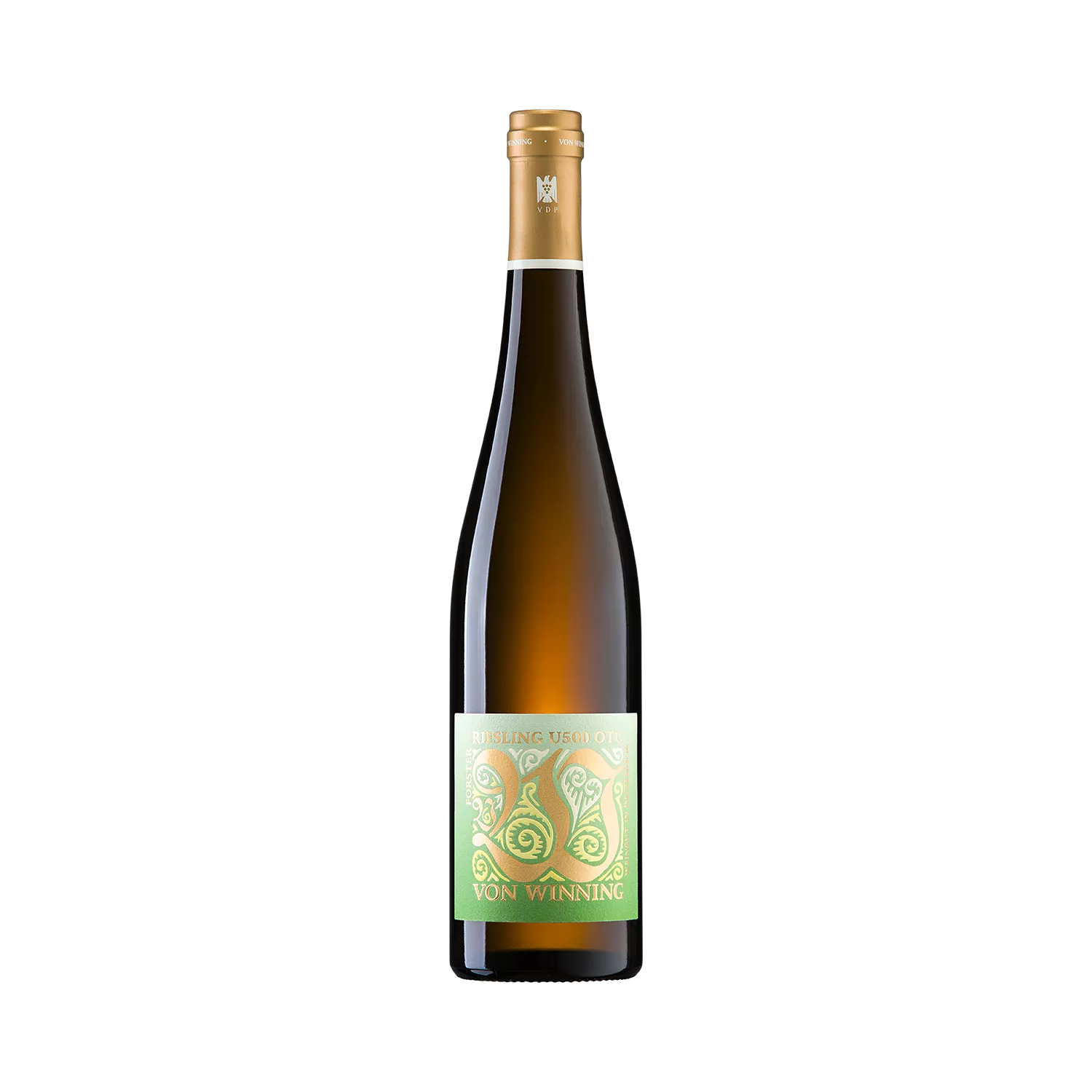
 1 real bottle
uniquely identified
1 real bottle
uniquely identified
The crucial question
A wine NFT connects the traditional world of wine with blockchain technology. It may represent digital artwork, act as a wine-club membership pass, provide the right to receive a bottle in the future or represent ownership of a specific physical wine.
The important question is not whether a project uses an NFT, but: What exactly does the token represent?
Only after answering this question can buyers assess the real value and practical purpose of a wine NFT. Not everything marketed as a “wine NFT” is actually tokenized wine.
The fundamentals
What Is a Wine NFT?
NFT stands for “non-fungible token.” Unlike a cryptocurrency such as Bitcoin, each NFT can be uniquely identified. This allows it to be assigned to a specific object, right or digital asset.
Fine wine is particularly suitable for this principle: every bottle is defined by its producer, origin, vintage, bottling and condition. For mature wines, storage and provenance matter just as much. An NFT can represent this individuality digitally—but only if the digital information is reliably connected to the physical wine.
From art to ownership
The Most Important Wine NFT Models
The same term covers applications that are economically and practically very different.
Digital collectible
Wine NFTs as Digital Artwork
Buyers receive an illustration, animation or three-dimensional representation of a bottle. Sometimes a physical bottle is included as an additional benefit. The NFT’s value is based primarily on its design, limited supply, artist, brand and expected demand as a digital collectible.
This is an NFT related to wine—not necessarily tokenized wine.
Community & access
Membership NFTs
The token functions as a transferable digital membership card. Benefits may include exclusive wines, priority purchasing rights, private tastings, meetings with winemakers or community voting. Its value depends on the issuer’s services and the strength of the community.
A membership NFT tokenizes membership, not the wine bottle.
Right to delivery
Vouchers or Wine Redemption Rights
The token provides the right to receive a bottle or a defined quantity of wine later—for example while the wine is still ageing in the barrel. Buyers should examine allocation, redemption dates, storage and shipping fees, transferability and what happens to the token after delivery.
The token usually represents a contractual right to future wine.
Digital bottle record
Certificates of Authenticity or Provenance
A QR code or NFC chip can provide information about the producer, vintage, origin or bottling. This may make counterfeiting more difficult. It does not, by itself, prove that the token and bottle have remained together or show how the wine was stored after its original sale.
A provenance certificate is valuable, but not a complete trading system.
Fractional economic interest
Tokenized Barrels, Wine Lots and Fractions
A token may represent a barrel, a wine lot, a case or a fraction of one. This can lower the financial entry threshold, but it raises questions about legal ownership, decision-making, costs, individual delivery rights and financial regulation.
This model often resembles a participation or investment product.
Asset-backed token
Digital Twins of Specific Bottles
Each NFT is assigned to one existing, uniquely identified and professionally stored bottle. The token connects documented provenance, ongoing storage history, digital ownership, transferability and the right to request delivery.
The individual wine bottle itself is represented digitally.
| NFT model | Physical bottle | Ownership of a specific bottle | Storage history | Delivery |
|---|---|---|---|---|
| Digital artwork | optional | no | no | optional |
| Membership NFT | no | no | no | no |
| Voucher/redemption right | future | usually no | partial | later |
| Provenance certificate | yes | not necessarily | partial | not necessarily |
| Barrel/lot/fraction | yes | fractional or indirect | possible | restricted |
| Digital twin | yes | yes | yes | yes |
Substance over imagery
When Is a Wine NFT Really Backed by Wine?
An image of a bottle is not wine. A token carrying the name of a famous producer does not prove that its holder has a claim to a real bottle. A robust model must keep the digital and physical assets connected.
-
01
A specific bottle exists
The token is assigned to an actual, existing and clearly defined bottle—not merely a grape variety, vintage or quantity.
-
02
Token and bottle are reliably connected
A dependable physical identifier, such as an NFC seal, connects the bottle and token and can show whether the bottle was opened or the seal damaged.
-
03
The holder’s rights are clearly defined
The contractual structure must state whether the token represents ownership, a redemption right or an additional service—and who may request delivery.
-
04
The wine remains professionally stored
Temperature, light, humidity and fluctuations affect wine. Provenance alone is not enough; the bottle’s condition through resale matters too. Learn how to store wine correctly.
-
05
The storage history is verifiable
Continuously recorded data linked to the token gives future buyers a verifiable digital bottle record.
-
06
The token is transferable
Open token standards provide the technical foundation for an asset that can exist independently of one marketplace or user interface.
The True Wine approach
The Token Represents Ownership of the Specific Bottle
At True Wine, the NFT is neither a digital collectible, a membership pass nor a voucher. It represents ownership of a specifically identified physical bottle of wine.
Storage conditions such as temperature and humidity are documented and linked to the bottle’s history. The token can be transferred to a new owner, or the current owner can request physical delivery.
What really matters
Why Storage Matters More Than the NFT Artwork
In digital art, visual design may form a significant part of the asset’s value. For a genuine wine NFT, the physical wine should remain central. An elaborate animation cannot replace authenticity, verifiable origin, correct storage, the seller’s right to transfer it or the ability to deliver the bottle.
The long-term value of an asset-backed wine NFT should be based on the quality, scarcity, condition and demand of the underlying wine—not on the popularity of an NFT image.
The practical value
What Are the Benefits of a Genuine Wine NFT?
Trading Without Moving the Bottle
The wine remains protected in professional storage while the token is transferred, reducing unnecessary transport and risk.
Traceable Provenance
Ownership transfers and relevant stages in the bottle’s history can be documented for future buyers.
Documented Storage Conditions
Storage data and relevant events can be assigned to an individual bottle and reviewed later.
Efficient Ownership Transfers
A digital token can be transferred efficiently while the physical wine remains securely stored.
Platform Independence
Open NFT standards can separate the digital asset from the interface of one specific provider.
Physical Delivery When Required
The owner can request the bottle and drink it, give it as a gift or move it to a private cellar.
Wine NFTs & investment
The Token Improves the Infrastructure, Not Automatically the Investment
An NFT does not turn an unsuitable wine into a good investment. The asset’s economic development still depends on the wine: the producer’s reputation, vintage quality, production volume, international demand, ageing potential, provenance, bottle condition, purchase price, fees and actual market liquidity.
A token can improve trading and documentation. It does not remove price risks or guarantee an increase in value. Buyers should evaluate the wine first and the quality of the token model second—not the other way around.
Learn more about wine as an investmentConclusion
Not Every Wine NFT Tokenizes Wine
Wine NFTs can represent artworks, memberships, access passes, redemption rights, certificates or financial interests. Each model can serve a legitimate purpose, but they should not be confused with one another.
Genuine wine tokenization requires a clear assignment to a real bottle, precisely defined ownership and delivery rights, a reliable connection between token and bottle and a verifiable storage history. Only when the token represents one specific, professionally stored bottle does it become a genuine digital twin.
Discover Tokenized WinesIn brief
Frequently Asked Questions About Wine NFTs
What does wine NFT mean?
A wine NFT is an individual digital token connected to wine. Depending on the model, it may represent digital artwork, a membership, a redemption right, a certificate or ownership of a specific physical wine bottle.
Is a wine NFT always connected to a real bottle?
No. Some wine NFTs consist exclusively of digital artwork or function as membership passes. Buyers should therefore verify whether a physical bottle exists and which rights the token actually provides.
What is a wine membership NFT?
A wine membership NFT is a digital membership pass. Its holder may receive access to tastings, exclusive offers or a wine community. The token does not normally represent a specific bottle.
Can I resell a wine NFT?
This depends on the model and the issuer’s terms. With a genuine digital twin, the token can generally be transferred while the physical bottle remains securely stored.
Can I have the wine delivered?
Only when the NFT includes an ownership or redemption right that permits delivery. Digital art and membership NFTs do not automatically provide a claim to a physical bottle.
Is a wine NFT a safe investment?
An NFT does not guarantee returns or an increase in value. The quality, scarcity, demand, condition and provenance of the underlying wine remain decisive. The legal and technical quality of the token model must also be considered.
What happens to the NFT when the bottle is opened?
With a consistently implemented digital twin, opening or removing the bottle from storage should be documented. The token may remain as a historical bottle record or be marked technically as redeemed or inactive.
How is True Wine different from other wine NFT models?
At True Wine, each NFT represents one specific physical bottle of wine. The bottle is uniquely identified, professionally stored and connected to its provenance and storage history. The token is therefore not merely a digital artwork, a membership or a voucher.