TOKEN-ID · TW-2020-0482
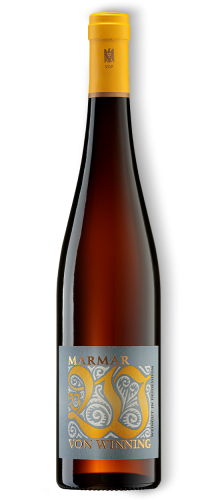
Von Winning MARMAR Riesling
Definition
Tokenize wine means that ownership of a physical bottle of wine is represented by a digital token on the blockchain. Each bottle has an NFT (non-fungible token) as its digital twin – whoever owns the token owns the bottle.
The wine itself remains perfectly stored in a climate-controlled warehouse. Only the token is traded. This makes rare wines as liquid as a security without ever moving the bottle – good for the wine and good for the environment.
The process
From verification at the winery to a tradable digital asset: in five steps, a physical bottle becomes a tamper-proof, documented wine that can be traded worldwide.
Every bottle is checked before tokenization: its origin, condition and authenticity are documented – ideally directly at the winery. Only wines with verifiable provenance are accepted.
A tamper-proof NFC seal uniquely links the physical bottle to its digital token. The seal remains intact until the bottle is opened and can be checked by smartphone at any time.
An NFT based on an open standard is created for the bottle. It represents ownership: whoever owns the token owns the bottle. No wallet or crypto knowledge is required – the technology runs in the background.
Temperature, humidity and light exposure are continuously recorded by sensors in the climate-controlled warehouse and automatically linked to the token. This gives every bottle its complete storage history.
We explain in detail which conditions are crucial for ageing under How to store wine properly.
The token can be traded on several marketplaces at the same time – or you can have the bottle delivered from storage at any time. Every bottle is released exclusively to its rightful owner.
Live example
TOKEN-ID · TW-2020-0482
Provenance & history – documented on-chain
MarMar · Von Winning winery, Deidesheim.
The bottle record was created when it entered storage at True Wine Wachenheim II.
Token was created and uniquely linked to this bottle.
Transfer registered transparently and securely.
Recorded over the storage period: Ø 10.1 °C and Ø 66.7% RH.
The bottle has left the climate-controlled warehouse. NFC status: opened.
Benefits
The NFC seal and blockchain link the bottle and token inseparably. Its origin and every transfer of ownership are documented immutably – from the winery until the bottle is opened.
Open NFT standards make each bottle tradable on several marketplaces at the same time. Reselling becomes as simple as buying – without the bottle leaving storage.
The complete storage history can be checked before every purchase. Perfectly documented storage increases trust, fungibility and therefore the value of your wine.
Provenance and storage are among the key factors when wine as an investment is bought or sold.
A wine can be offered for sale on multiple platforms simultaneously.
Transparency
Blockchain is not magic. It makes data immutable – what matters is which data is recorded. That is why True Wine combines blockchain technology with physical NFC seals and sensors in its own warehouse.
Blockchain is no substitute for inspecting the physical bottle. Read also how experts identify counterfeit wines.
That is why True Wine checks every bottle before acceptance and preferably tokenizes directly at the winery – the earlier documentation begins, the stronger the proof.
Tokenize your own wine
Yes. Once their condition and provenance have been verified, you can have your own bottles tokenized and stored with True Wine. Each bottle is fitted with an NFC seal and placed in climate-controlled storage – from then on it can be traded digitally and its storage is fully documented.
Request tokenization and storageCosts
When you buy through True Wine, tokenization is already included – along with 12 months of professional storage. Transparent storage and usage fees apply afterwards; payment is made in euros with no hidden crypto costs. Full details are available in the fee overview.
Payment & usage fees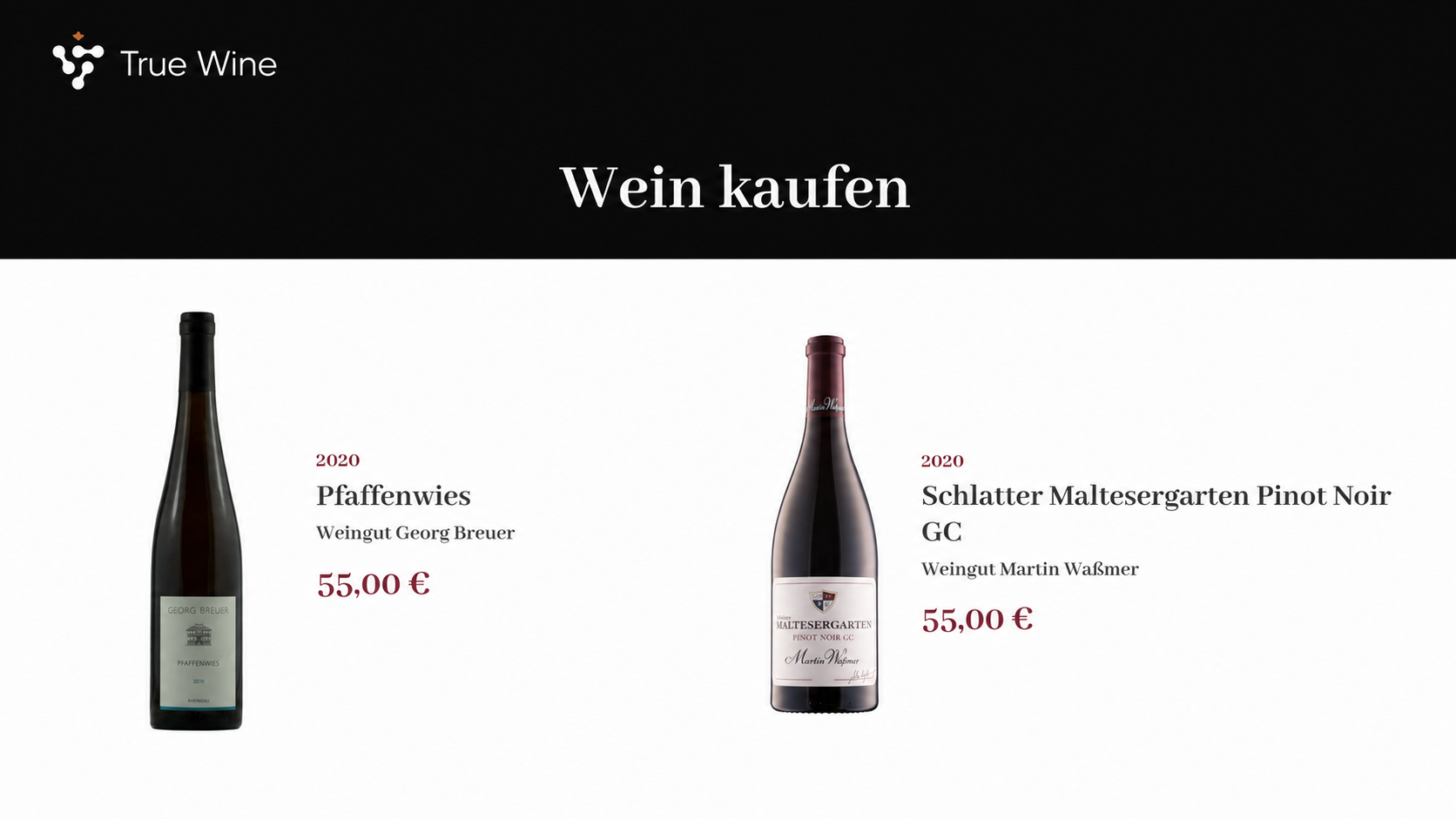
Marketplace
On the True Wine marketplace, you can buy exclusive wines that have already been tokenized – quickly, transparently and in euros. Every bottle comes with complete provenance and storage history. Trade it directly or have your bottle delivered at any time.
FAQ
Still have questions? Our team is happy to help – or take a look at the Wine encyclopedia.
An NFT (non-fungible token) is digital proof of ownership on the blockchain. At True Wine, each NFT represents exactly one physical bottle of wine: whoever owns the token owns the bottle – including its complete storage and provenance history.
No. You pay in euros and need neither a wallet nor crypto experience. The blockchain technology runs entirely in the background – True Wine handles the technical custody for you.
Every bottle carries a tamper-proof NFC seal linked to its NFT. Its origin, storage history and every transfer of ownership are documented immutably on the blockchain – from the winery until the bottle is opened.
Temperature, humidity and light exposure are continuously recorded by sensors in the climate-controlled warehouse and automatically linked to the NFT. The complete history can be viewed at any time – including before a purchase.
Yes, at any time. As the owner of the NFT, you can arrange delivery from storage regardless of the platform on which the token is held. The bottle is released exclusively to its rightful owner.
Open NFT standards allow each bottle to be offered on several marketplaces at the same time. The blockchain provides a secure transaction, while documented provenance increases resale value.
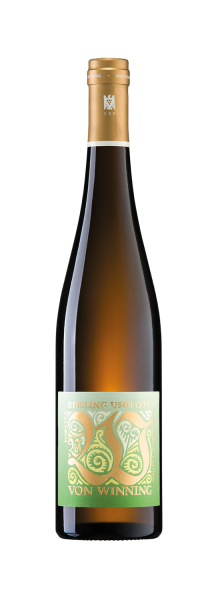 89,00 €
 55,00 €